
Winter’s Wrath Unveils a Tale of Two Emergencies: A Storm in “Israel” and a Humanitarian Catastrophe in Gaza
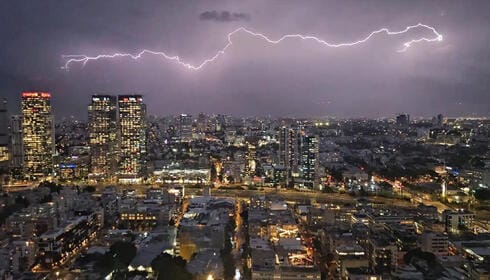
As Storm Byron swept across the eastern Mediterranean this week, “Israeli” emergency teams scrambled to contend with flooded streets, toppled trees, and paralysing winds. In Netanya, authorities reported that a 53-year-old man had been found dead in his apartment, a victim of suspected hypothermia after temperatures dropped sharply during the storm. Rescue crews worked through the night, pulling stranded motorists from submerged vehicles and clearing roadways to prevent further casualties.
But while “Israel” contended with the harsh weather through a coordinated emergency response, the storm’s far more devastating impact unfolded to the south - in the Gaza Strip, where one of the region’s coldest seasons in years collided with an already-crippled humanitarian system.
FRANCE 24 coverage from Gaza
In Gaza’s displacement camps, winter is not merely an inconvenience but a catastrophic threat. Families living in tents and makeshift shacks - many erected after repeated bombardments destroyed homes - face freezing temperatures without heaters, fuel, or proper insulation.
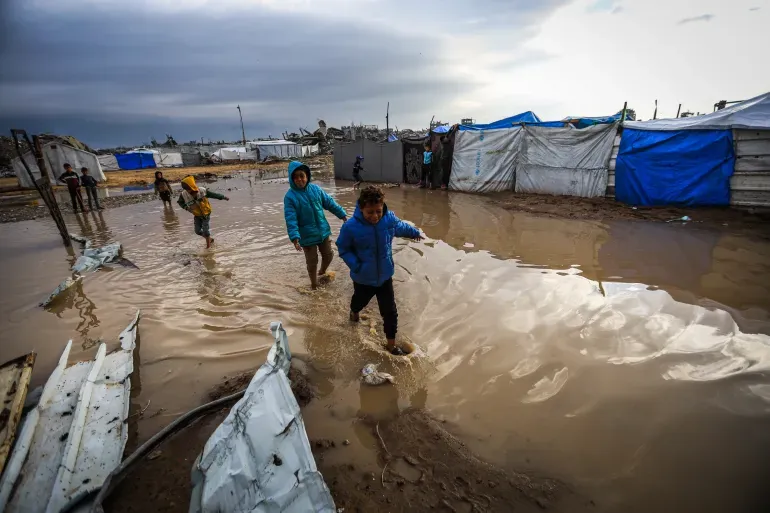
“The cold doesn’t just hurt - it kills our children,” said Mariam, a displaced mother living in a tent north of Deir al-Balah.
“When it rains, the water comes inside. When the wind blows, the tent moves. We spend the night holding the children so they don’t shake themselves to exhaustion.”
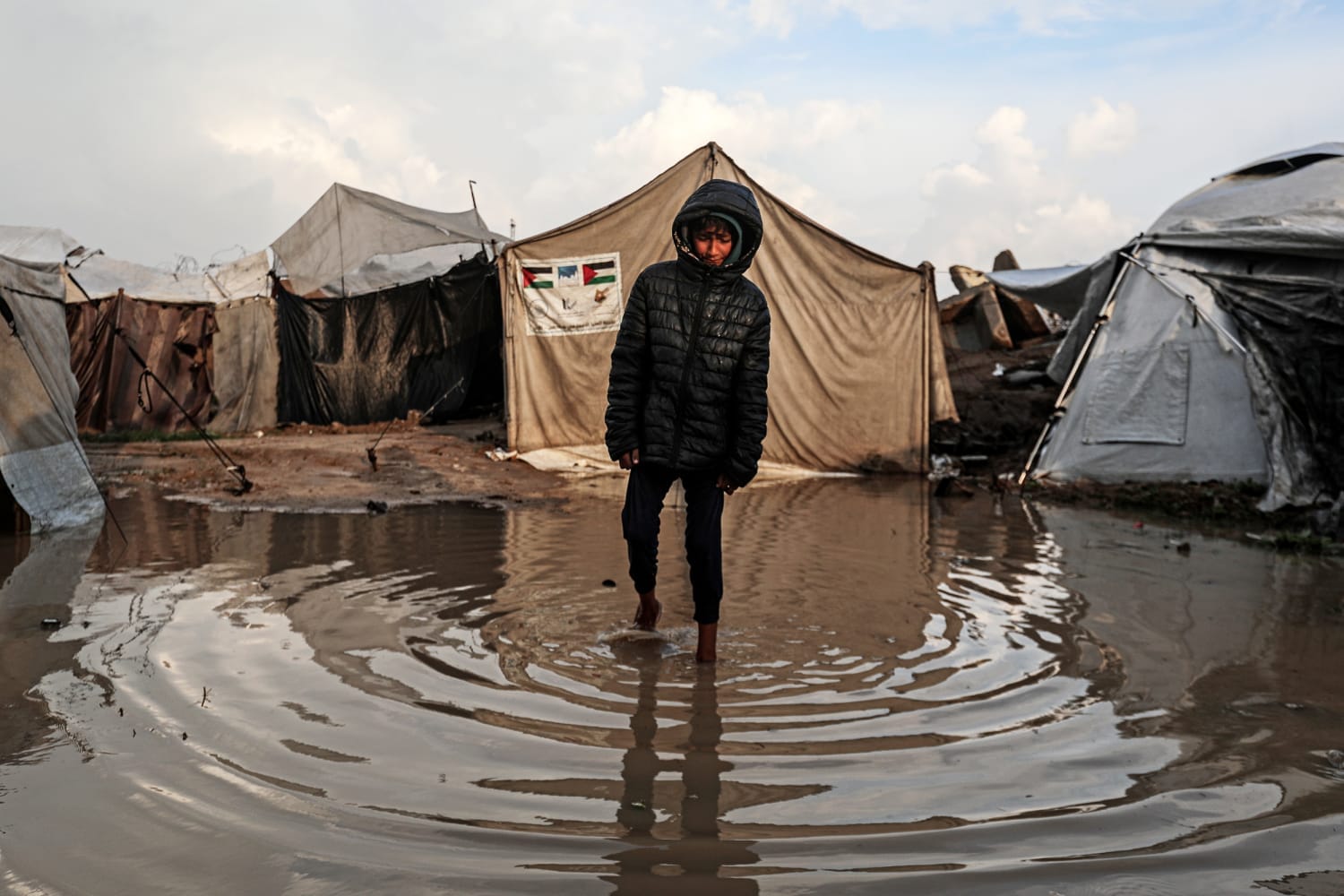
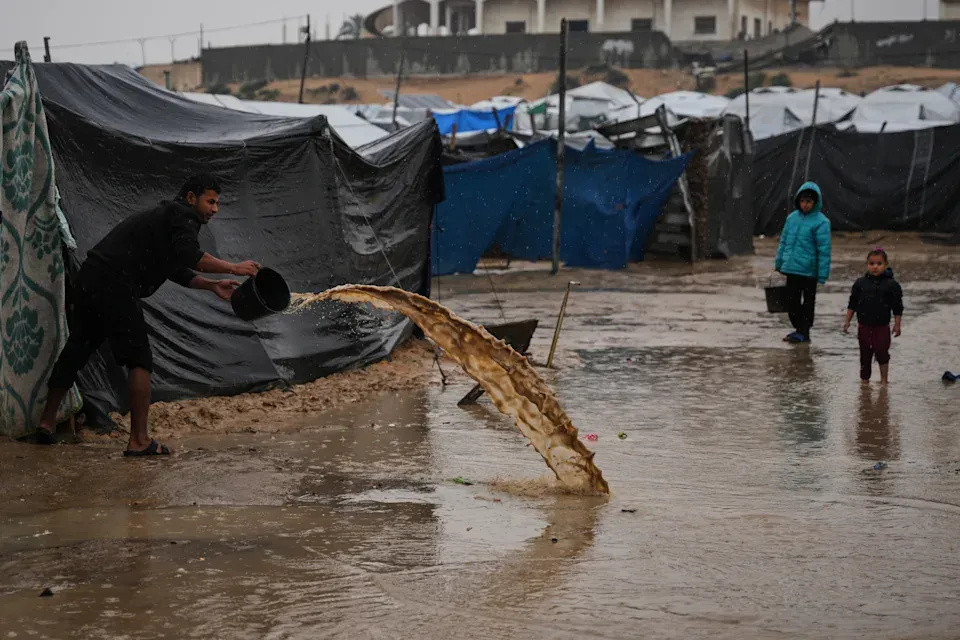
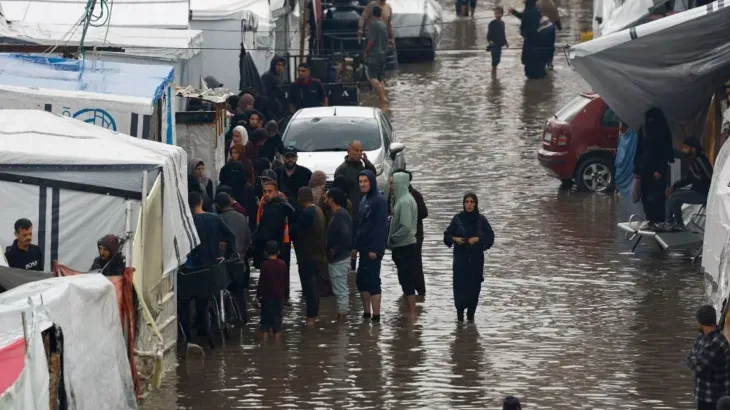
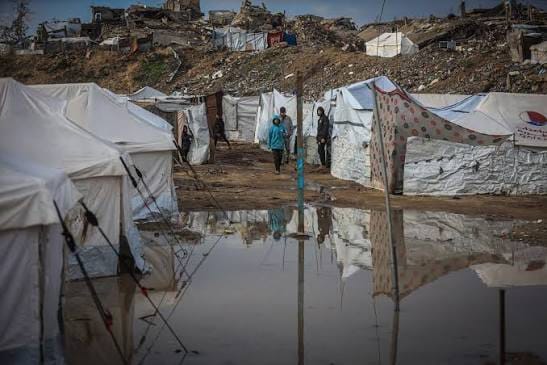
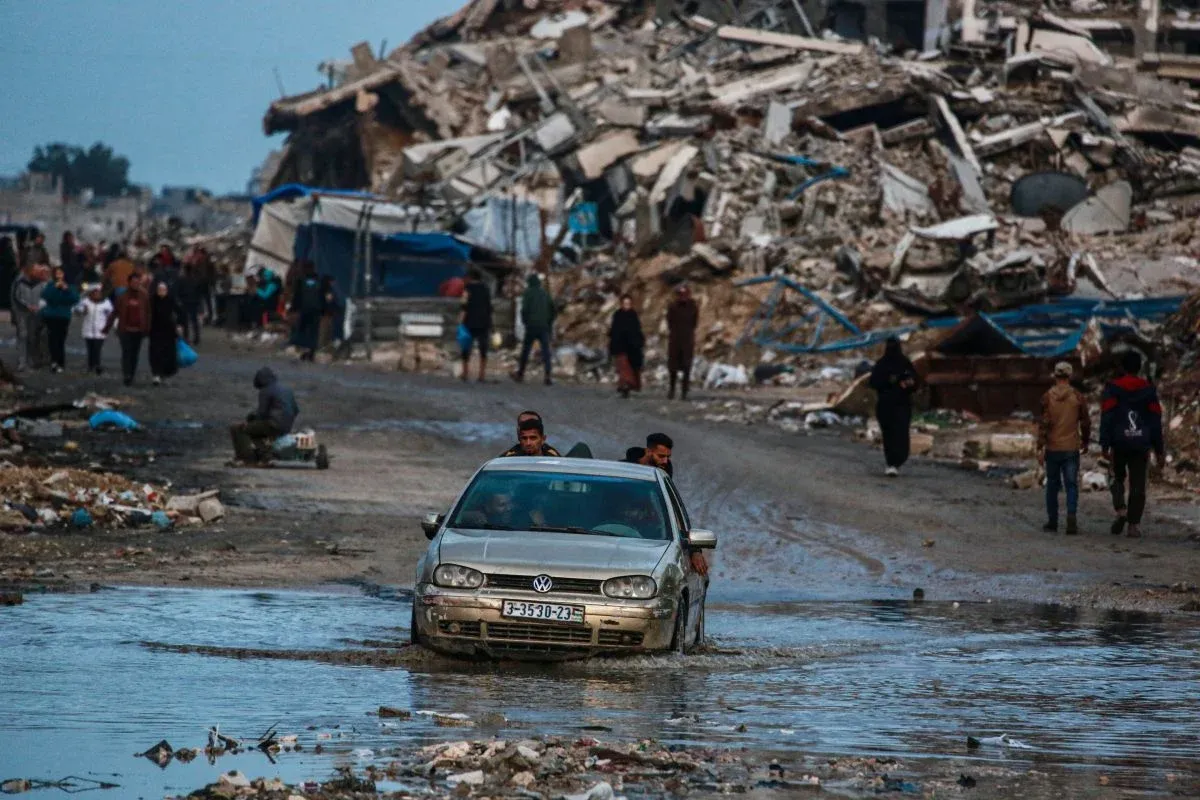
Scenes of devastation from Gaza
Humanitarian workers describe scenes that resemble disaster zones, not seasonal challenges. In some camps, muddy pathways swallow up donated blankets, and rain seeps through nylon sheets meant to serve as walls. Fuel shortages prevent families from running even basic heaters.
A Gaza health volunteer, Sami, explained the grim reality:
“We try to tell parents how to keep babies warm, but what can they do when they have no blankets, no electricity, no proper walls? We see pneumonia, respiratory infections, and hypothermia every day.”
A Winter of Unequal Protection
“Israel’s” ability to mobilise resources - emergency responders, flooded-road closures, and real-time alerts - highlights a stark contrast with the systematic deprivation in Gaza. There, decades of blockade and restrictions on essential goods have hollowed out hospitals, eroded infrastructure, and prevented large-scale reconstruction. Even basic winter supplies like fuel, heavy blankets, and durable tents face delays at border crossings.
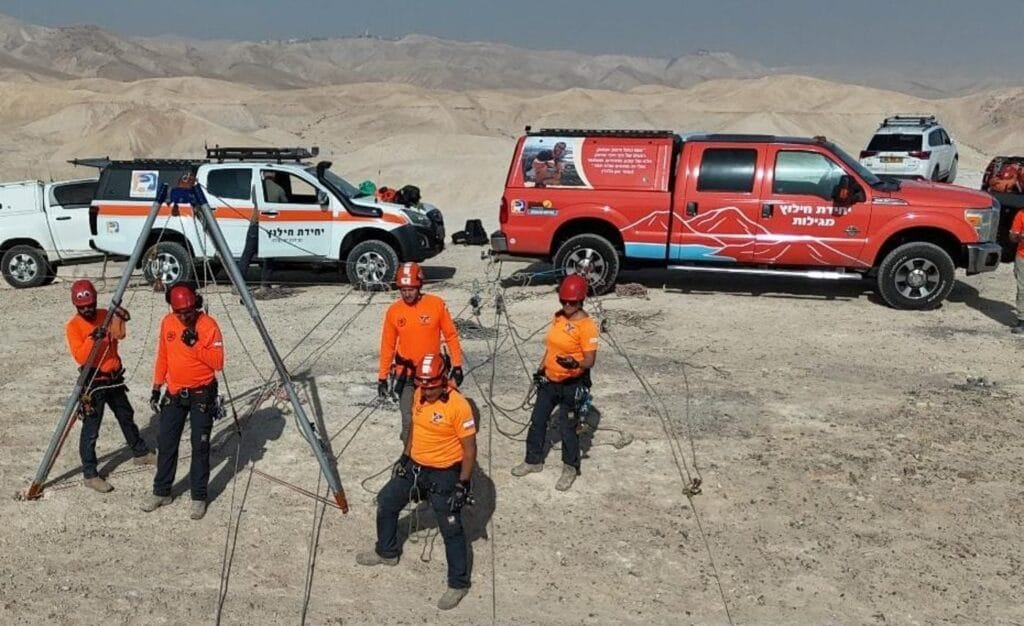
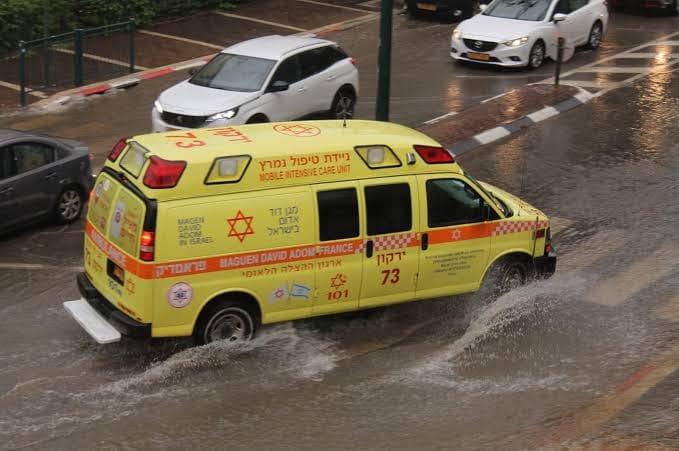
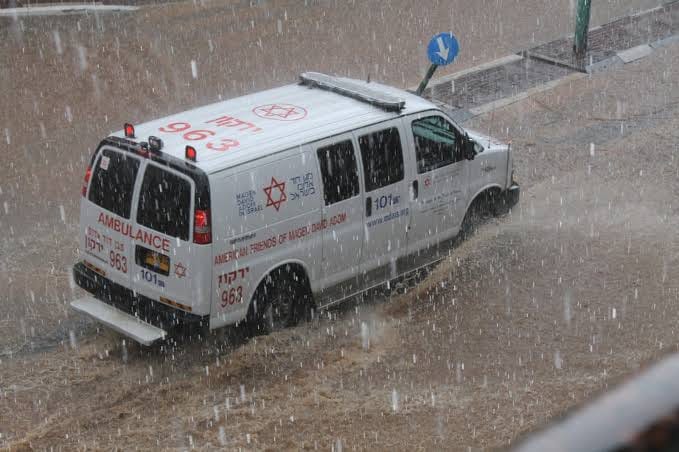
In contrast, scenes of professional emergency response teams in “Israel”
A Palestinian civil defence worker put it bluntly:
“Winter is a natural storm. What Gaza faces is a political storm. The cold is deadly because the blockade makes it deadly.”
While the storm caused a single widely-reported death in “Israel”, Gazan communities brace each winter for losses that may never be fully counted - infants who do not wake up, elderly residents who freeze quietly in unheated rooms, and families whose resilience is stretched beyond human limits.
Local health workers say the international community tends to focus on visible, dramatic events like bombings or mass displacement - while winter’s slow, silent toll often goes unreported.
“Nobody asks how many die in Gaza from cold,” said a nurse at a shelter clinic.
“But we count them. We see the ones who don’t survive the night.”
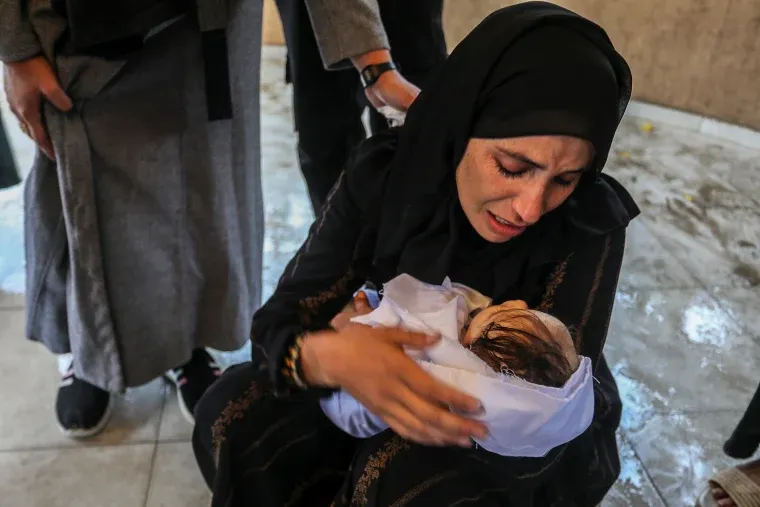
Aid workers say the situation is preventable: lifting restrictions on heaters, fuel, and winterised shelters would drastically reduce casualties. But progress is slow, and each day of delay brings more risk.
A Regional Storm, A Shared Sky, and Unequal Suffering
Storm Byron’s impact lays bare the region’s disparities. In “Israel”, emergency infrastructure protects most citizens from the worst outcomes. In Gaza, a winter storm becomes a humanitarian crisis compounded by structural deprivation.
As the winds settle, the moral question lingers:
If two people share the same storm, why is only one protected from it?