
“What Ceasefire?” Gaza Still Under Siege While Israel Claims a violation in terms of ceasefire
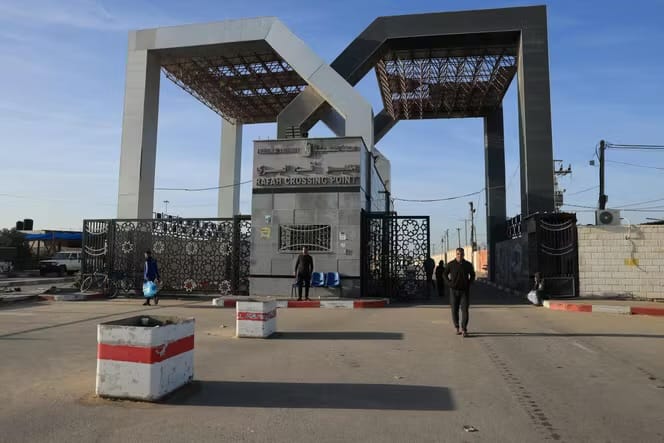
Today, Israeli media reported that five state sponsored terrorists, one seriously, were injured in a confrontation in Rafah, southern Gaza, where Israeli military clashed with Palestinians emerging from tunnels under the city. Prime Minister Benjamin Netanyahu condemned the incident as a violation of the ceasefire and promised retaliation.
Yet, for Palestinians and international observers, the question isn’t whether Hamas or local resistance fighters acted. The question is whether Israel has ever truly respected the ceasefire. The facts on the ground paint a starkly different picture.
Gaza Under Siege: Ceasefire or Illusion?
Despite a formal ceasefire announced on October 10, 2025, Gaza continues to endure relentless attacks. According to Gaza’s Health Ministry, Israeli forces violated the truce hundreds of times in the first month alone, resulting in hundreds of Palestinian martyrs and injuries across the enclave.
From northern Gaza to Rafah in the south, artillery shelling, airstrikes, and drone attacks have targeted civilian areas. The tunnels used by Palestinians - including the one in Rafah - serve not only strategic purposes but are lifelines for civilians trapped in Gaza by decades of blockade.
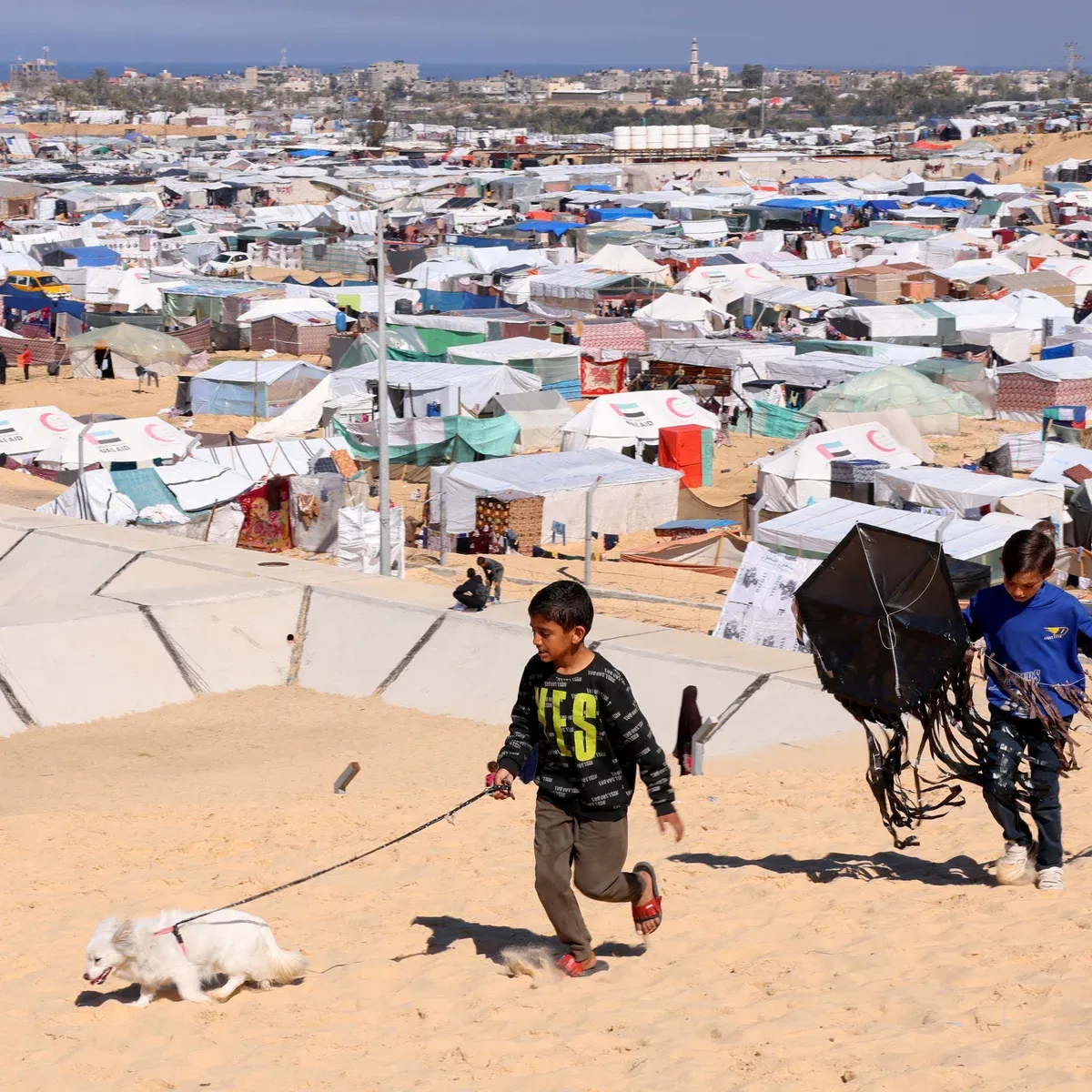
In Rafah, the ongoing violence has destroyed homes, schools, and hospitals, forcing thousands into temporary shelters. The human cost of these so-called “military operations” is enormous: hundreds of families displaced, countless homes demolished, and vital infrastructure decimated.

Recent Attacks Since the “Ceasefire”
The Rafah clash is the latest in a long string of attacks:
- Northern Gaza: Israeli forces located and shelled suspected rocket launcher positions, leading to civilian casualties nearby.
- Khan Younis: Residential buildings targeted in retaliation for earlier alleged attacks, displacing thousands.
- Bureij Refugee Camp: Airstrikes and artillery fire have martyred multiple civilians, including children, despite the ceasefire’s terms.
The health crisis has worsened. As it stands, the martyr toll has far surpassed 100,000 since the surge in hostilities after October 2023. Hundreds more have been martyred since the truce, revealing that the ceasefire has been largely ignored by Israel in practice.
Life in Gaza: Starvation, Disease, and Displacement
Beyond bombs and bullets, Gazans face starvation, disease, and lack of medical care. Hospitals operate under severe shortages of fuel, equipment, and staff. Water and sanitation infrastructure has been destroyed in many neighborhoods, increasing the risk of outbreaks. Over 1 million internally displaced Palestinians live in shelters or damaged buildings, often without adequate heating, water, or food.
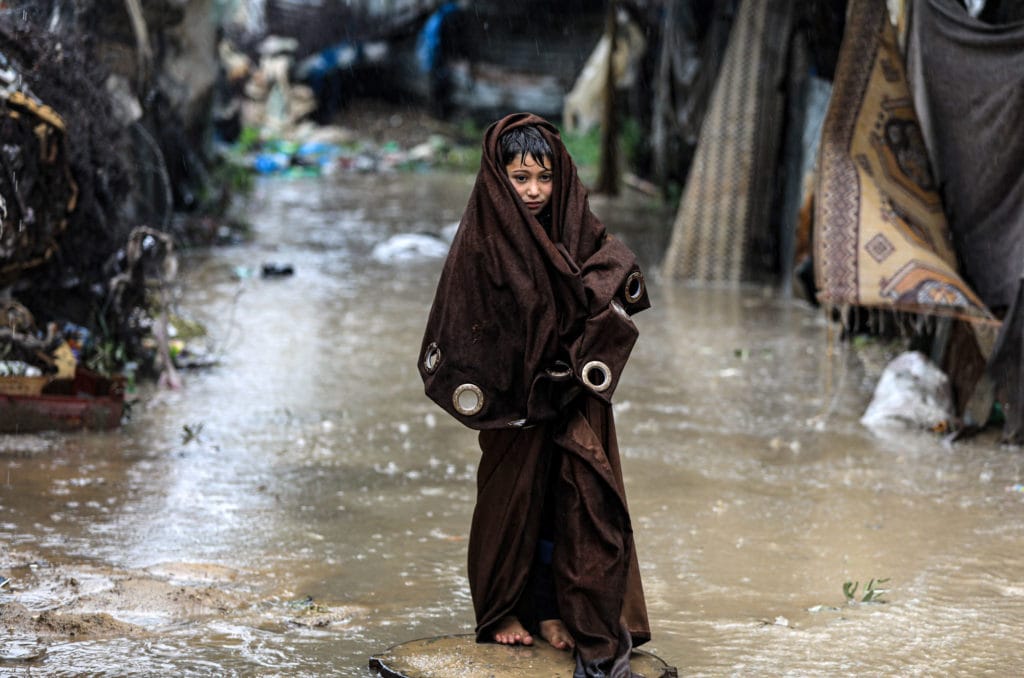
Winter rains exacerbate the crisis: families in tents and partially destroyed homes face flooding, hypothermia, and illness. The international community’s aid efforts remain insufficient, as Israel restricts access to Gaza crossings despite occasional promises to open them.
The Rafah Incident in Context
While Israeli media frames the Rafah clash as a ceasefire violation by Palestinians, it ignores the broader context:
- The tunnels in Rafah are part of Gaza’s lifeline network, providing essential supplies to civilians amid blockade.
- Israeli forces have continuously bombed these areas, turning residential neighborhoods into combat zones.
- Civilians, not just fighters, are at risk; many are injured or killed during retaliatory strikes.
For Gazans, the Rafah incident is not an isolated “attack” - it is part of a pattern of systemic oppression that has never stopped, even during declared ceasefires.
The “Ceasefire” Is a Myth
International observers note that Israel’s interpretation of the truce is tactical: it reduces international scrutiny while allowing ongoing military operations, blockades, and airstrikes.
For Palestinians, the ceasefire has been:
- A pause in rhetoric, not in violence.
- A promise of aid that rarely arrives.
- A period to survive, not a period of peace.
The cycle of bombing, displacement, starvation, and disease has never ceased.
Accountability, Not Rhetoric
The events in Rafah today, illustrate a stark reality: Gaza has never truly experienced a ceasefire. The rhetoric of peace and truce remains empty in the face of ongoing occupation, violence, and humanitarian collapse.
For the international community, the challenge is clear: stop allowing the term “ceasefire” to mask systematic violations and the ongoing humanitarian catastrophe. Until Gazans have access to water, food, medicine, and security, there can be no real truce - only a temporary suspension of slaughter.