Palestinian Christmas Markets Bring Culture, Craft, and Holy Land History to Glasgow
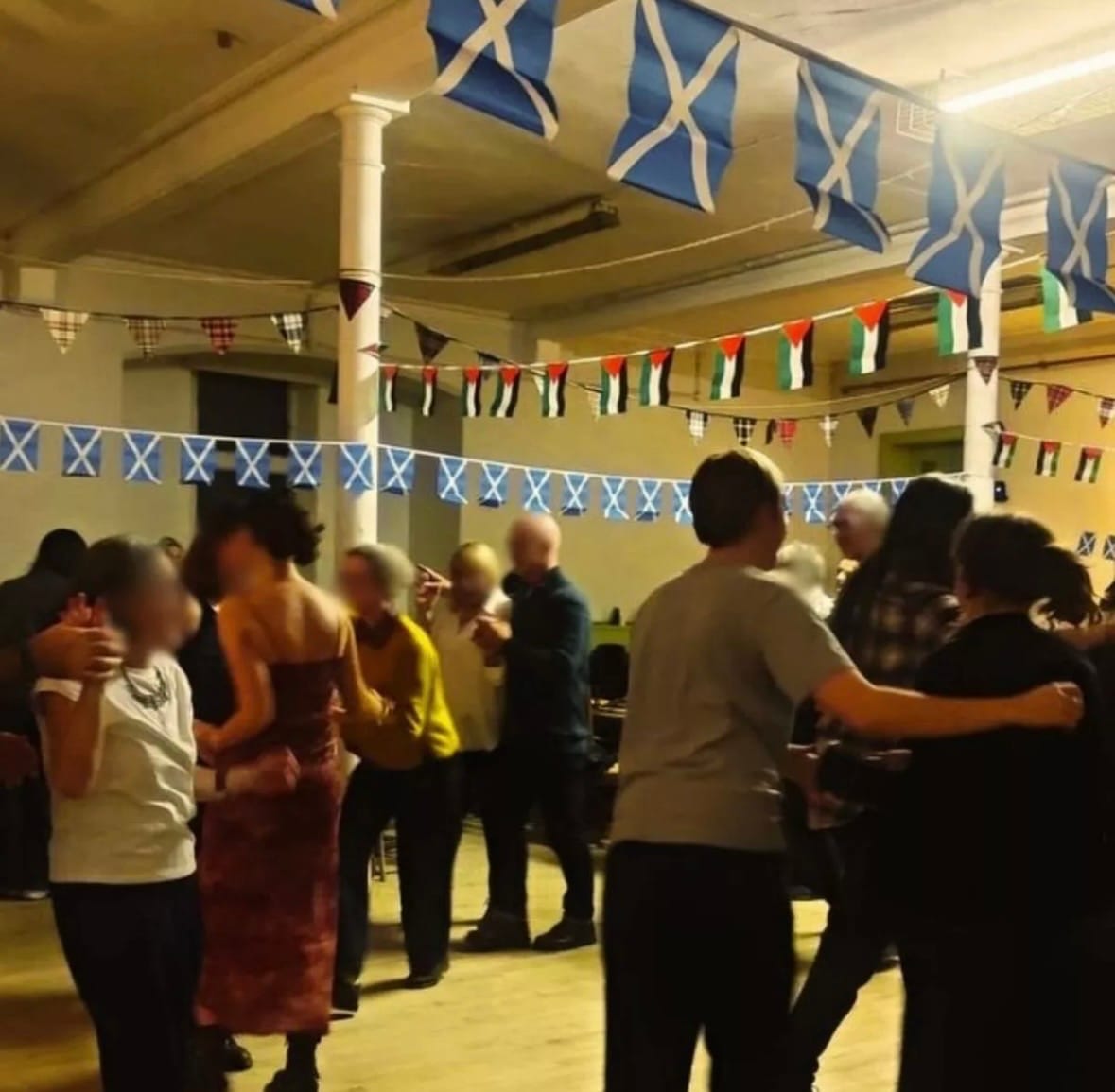
Starting today, a series of festive Palestinian pop-up markets is arriving in Glasgow’s West End, offering far more than seasonal shopping. Hosted at Kelvinside Hillhead Parish Church and organised by the charity PalCafe in partnership with the fair-trade Palestinian shop Hadeel, the markets give visitors a rare chance to experience authentic Palestinian craftwork while directly supporting artisans living in one of the world’s most historically significant - and most challenged - regions.
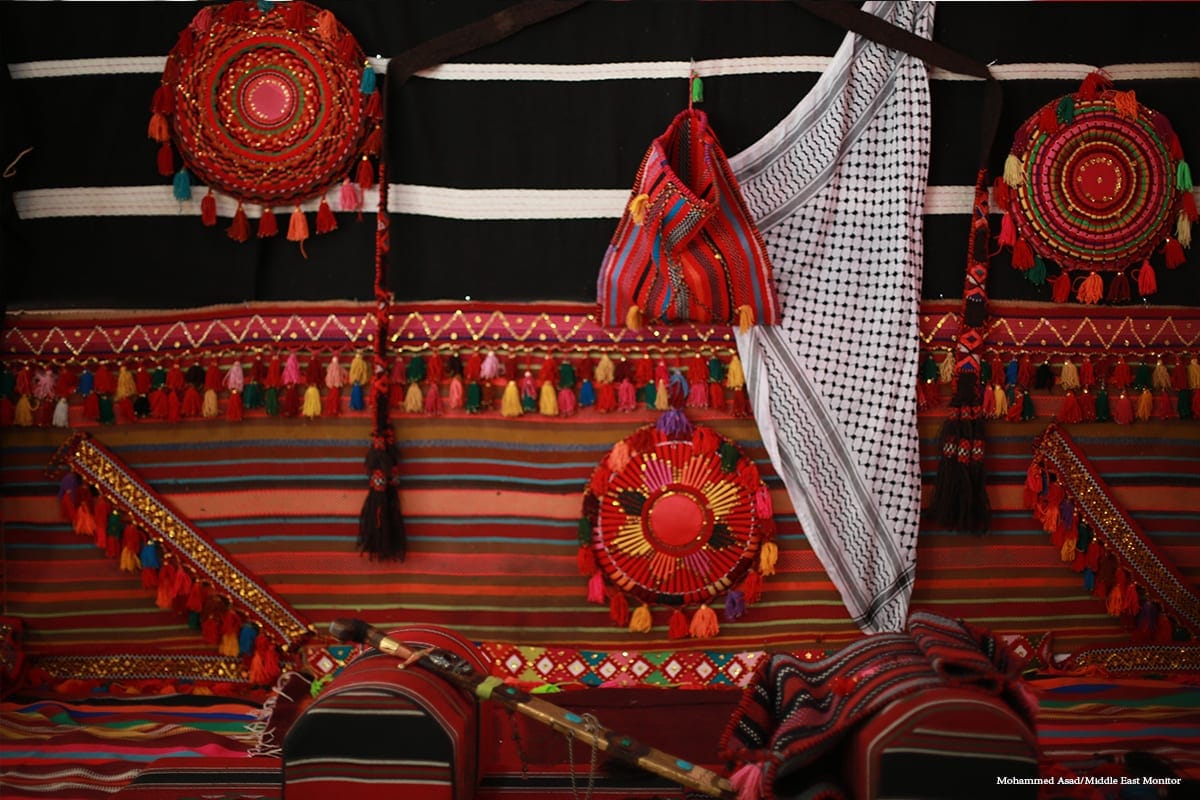
The events feature handmade Palestinian embroidery, ceramics, olive-wood decorations, jewellery, purses, and traditional textiles. Many of these crafts are produced by family workshops and women’s cooperatives in the West Bank and Gaza, where restricted movement and economic instability often make traditional livelihoods difficult to sustain. Every item sold in Glasgow helps generate vital income for Palestinian families, while also keeping centuries-old cultural craft traditions alive.
These markets are not just seasonal pop-ups. They are living cultural exhibitions - bringing a slice of the Holy Land to Scotland, complete with its deep Christian heritage, its surviving ancient churches, and its unmistakably Middle Eastern history.
The Holy Land’s Christian Legacy: Palestine as the Birthplace of Ancient Churches
To understand the significance of these markets, it helps to recognise the immense spiritual and historical heritage of Palestine. Long before modern borders existed, this land was the cradle of Christianity - home to many of the world’s oldest churches and the communities that sustained them for nearly two thousand years.
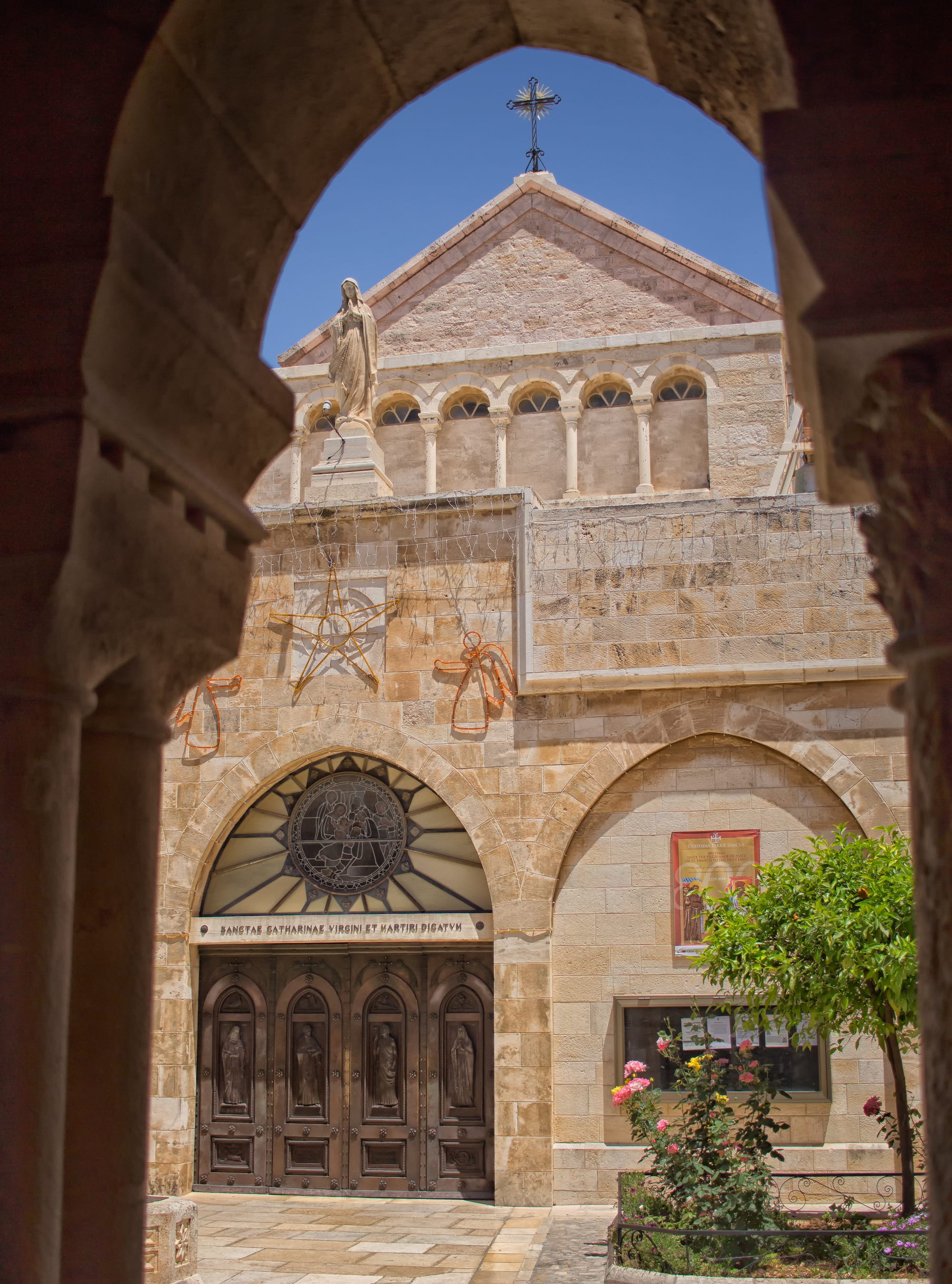
In Bethlehem, the Church of the Nativity stands as one of Christianity’s oldest continuously functioning places of worship. Commissioned in the 4th century by Rome’s first Christian emperor, Constantine the Great, and rebuilt in the 6th century by Emperor Justinian, the basilica marks the site revered as the birthplace of Jesus. Today it is a UNESCO World Heritage Site, drawing pilgrims from every Christian tradition.
Elsewhere in the West Bank, the Burqin Church - associated with the biblical story of Jesus healing the ten lepers - has Byzantine foundations and remains active among a small Orthodox community. Its survival across empires, wars, and centuries of change speaks to the resilience of Palestinian Christian heritage.
In Gaza City, the Church of Saint Porphyrius dates back to the early 5th century. Through centuries of upheaval, it has served both as a place of worship and, in modern times, as a sanctuary for civilians taking shelter during periods of conflict.
These churches are not archaeological relics. They are living threads in the fabric of Palestinian cultural identity - reminders that Christianity did not emerge from Europe, but from the heart of the Middle East.
Jesus as a Middle Eastern Man: A History Often Erased in the West
One of the most important - and most overlooked - truths about Christian history is that Jesus was a Middle Eastern man.
He was born in Bethlehem, raised in Nazareth, and lived under Roman occupation in first-century Palestine. His features would have reflected those of the region’s Semitic populations: tanned skin, dark hair, and Middle Eastern facial structure.
Yet for centuries, the Western world has depicted Jesus as a fair-skinned, light-haired European figure - a portrayal shaped not by historical fact, but by European art, politics, and cultural dominance. These images became widespread during the Middle Ages and Renaissance, eventually becoming the default representation in Western churches, textbooks, films, and media.
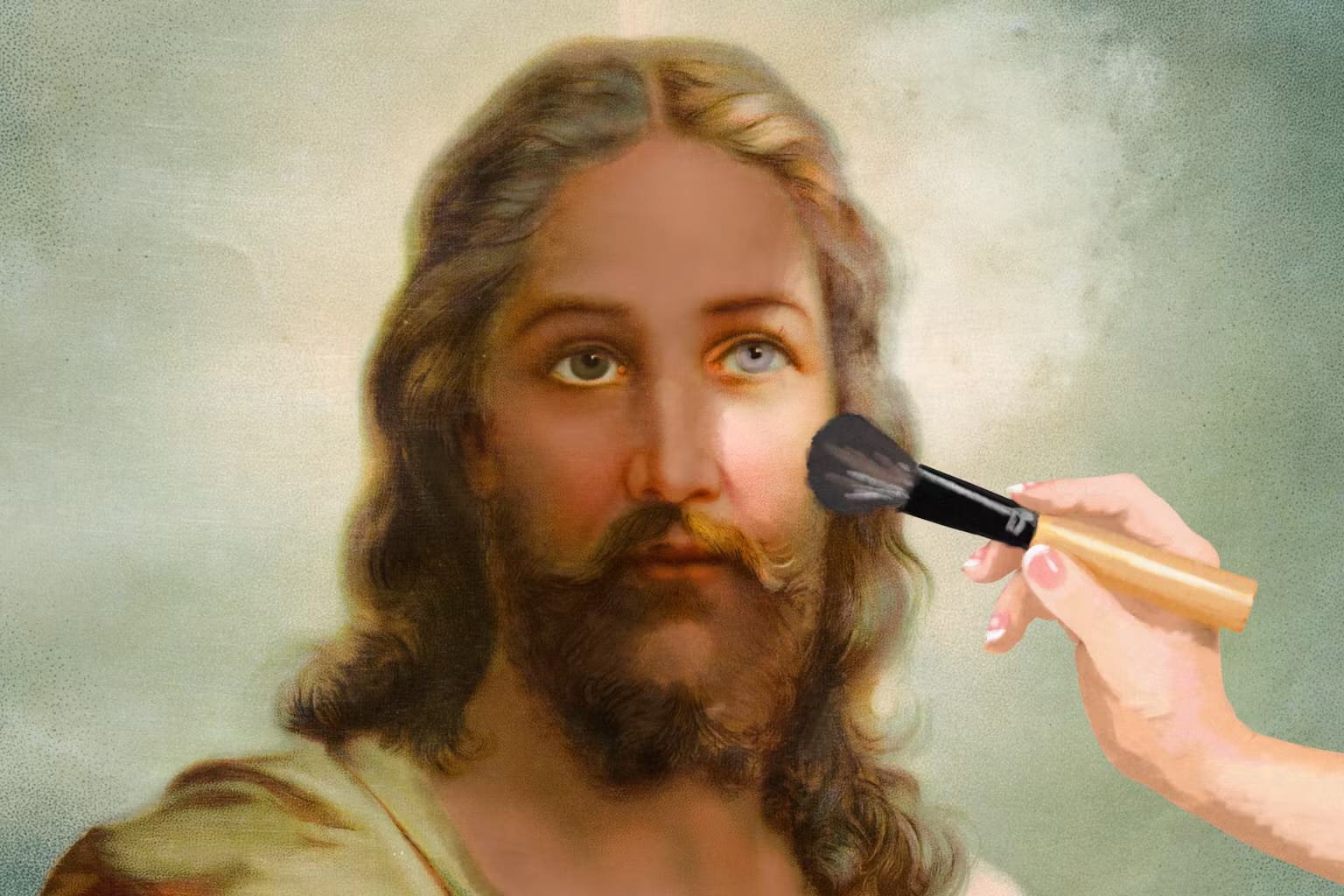
Modern historical scholarship, anthropology, and archaeology paint a very different picture. Jesus was a Jewish man of the Levant - culturally, ethnically, and geographically tied to the Middle East. The landscape he walked was the same land where today’s Palestinian cities, villages, and heritage sites stand.
Recognising this truth matters not only for historical accuracy, but also for appreciating the region and its people, whose identity and traditions stretch back thousands of years.
A Market That Connects Glasgow With Living Holy Land Traditions
The Palestinian markets in Glasgow are powerful precisely because they bridge this long history with the present. Every embroidered purse, carved olive-wood ornament, or hand-painted ceramic links today’s visitors with the same traditions that have shaped Palestinian Christian communities since antiquity.
Olive-wood carving - a staple of Bethlehem’s artisans - has been passed down through families for centuries, often used to craft nativity scenes and religious figures. Embroidery carries patterns unique to specific Palestinian towns and villages, functioning as a kind of cultural map stitched into fabric. Ceramics echo styles that go back to the Byzantine and Ottoman eras.
When visitors browse these crafts in Glasgow, they are not just purchasing seasonal gifts - they are touching a piece of Holy Land history, culture, and resilience.
Supporting Palestinian Artisans Means Preserving Heritage
Fair-trade partnerships like those behind the Glasgow markets play a crucial role in helping Palestinian creators survive amid ongoing economic pressures. Buying from these artisans:
- sustains traditional craft industries
- supports families and cooperatives
- preserves cultural heritage at risk
- and fosters understanding between communities around the world
For Glaswegians - and for anyone who attends - the markets offer a meaningful way to engage with the region’s history beyond the headlines, grounding Christmas in its original cultural landscape.
A Celebration of Craft, Culture, and the True Origins of the Holy Land
At their heart, the Palestinian Christmas markets are celebrations of creativity, resilience, and heritage. They remind visitors that the story of Bethlehem did not end two thousand years ago. It continues through the hands of today’s artisans, through the ancient churches still standing, and through the communities who carry forward the living traditions of the land where Christianity began.
By hosting these markets, Glasgow becomes a small bridge between Scotland and the Holy Land - a place where people can experience the beauty of Palestinian culture, honour its history, and appreciate the truth of a faith whose origins lie in the Middle East, among a people whose traditions endure to this day.
If you’re interested in visiting and supporting this noble cause, times and location info is available below:
- Thursday 4 December - 10:00 to 15:00
- Friday 5 December - 10:00 to 15:00
- Saturday 6 December - 10:00 to 14:00
- Saturday 13 December - 10:00 to 15:00
The market will take place at Kelvinside Hillhead Parish Church, which is on Loudon Terrace / Saltoun Street, in the West End of Glasgow.