
A “Peace” Board Built on Contradictions
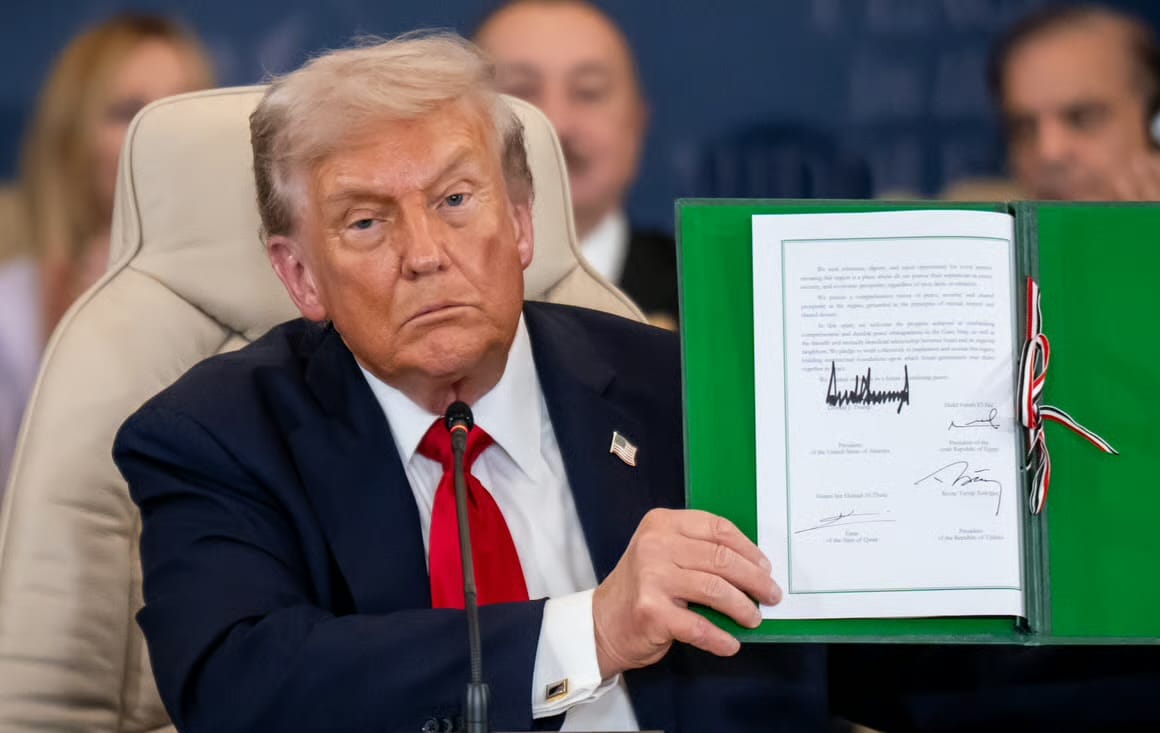
When world leaders gather to discuss peace, they should be striving to elevate justice, human rights, and the self-determination of oppressed peoples. The Board of Peace - newly unveiled at the 2026 World Economic Forum under the banner of Gaza reconstruction - fails this basic test. Rather than being a vehicle for Palestinian empowerment, it reads like a consortium of those most responsible for the suffering in Gaza and those poised to profit from its devastation.
Trump and Netanyahu: Architects of a Flawed “Peace” Initiative
At its top is Donald J. Trump, who has installed himself as lifelong Chairman of the Board. This is not an independent body of global mediation but one structurally anchored in his personal authority.
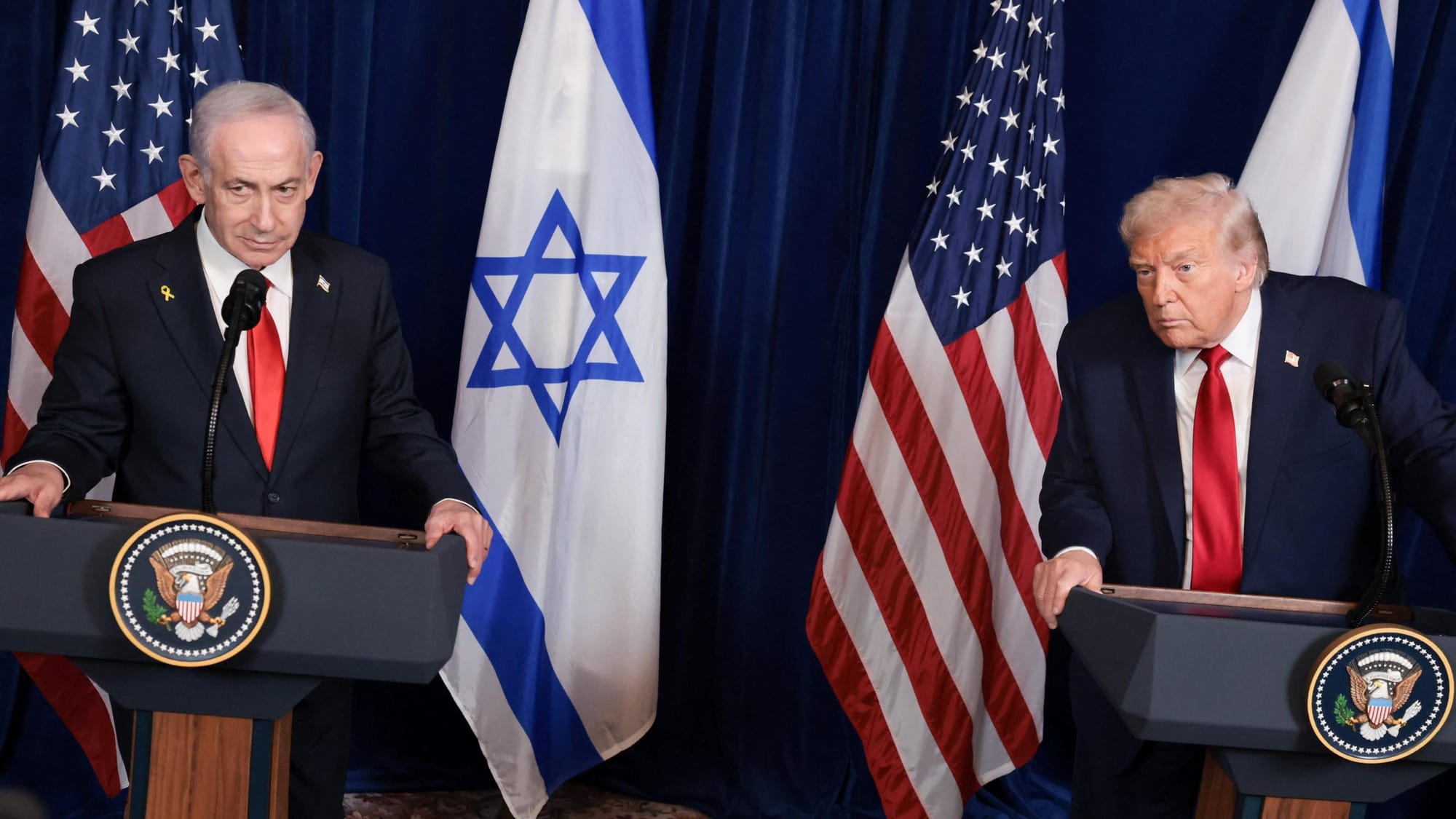
Trump himself is a convicted felon in America - found guilty on 34 felony counts related to falsifying business records in a high-profile hush-money case - and remains embroiled in multiple legal controversies that raise profound questions about his fitness to lead any international initiative.
Joining him on this supposed peace effort is Benjamin Netanyahu, the Israeli Prime Minister under an International Criminal Court arrest warrant for alleged war crimes and crimes against humanity in Gaza. Yet Netanyahu’s participation is being treated as a credential rather than a disqualification - an attitude that should alarm anyone who believes peace must be rooted in justice.
This alone ought to disqualify the Board from serious consideration: entrusting the fate of a genocide-scarred people to individuals accused of perpetrating and facilitating violence against them is morally bankrupt.
The Board’s Composition: A Cosmetic Facade
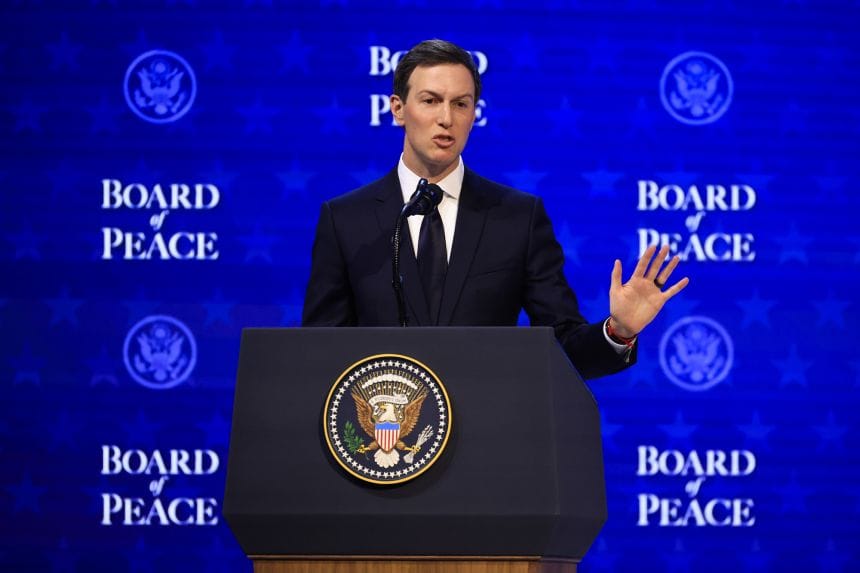
The Board has been populated with Trump’s close political allies, family members, and wealthy insiders - not representatives of the Palestinian people. Its executive committee includes figures such as:
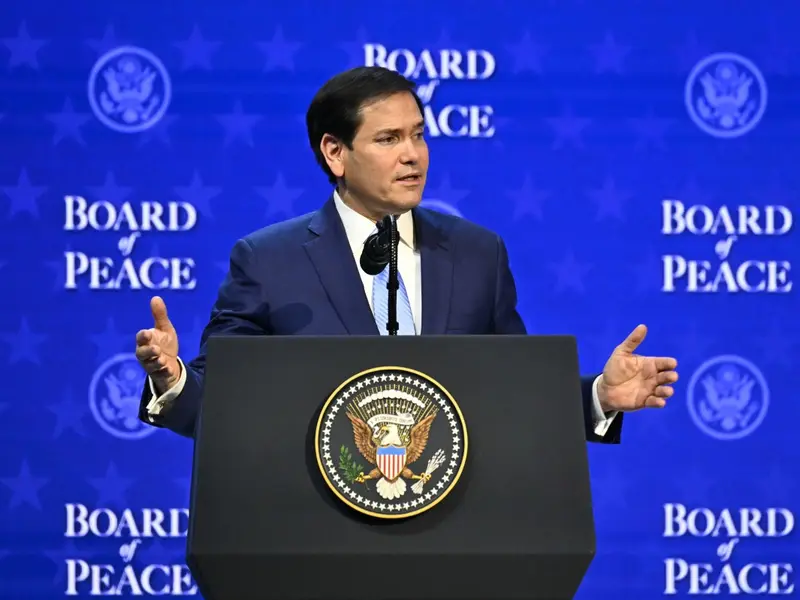
Also included are business heavyweights like Marc Rowan and Ajay Banga.
Notably absent are Palestinian political representatives elected by the people of Gaza - a glaring omission that suggests this is less a peace process and more a corporate boardroom with a fancy title. Critics have rightly pointed out that the board resembles a private equity firm more than a body dedicated to peace and justice.
Economic Opportunism Cloaked as Reconstruction
The economic dimension of this Board should unsettle any reader with a commitment to human dignity. Jared Kushner has publicly discussed the immense speculative value of Gaza’s land and the potential for capitalist redevelopment - language more suited to property speculation than humanitarian rebuilding.
At Davos, Kushner pitched a $30 billion vision for a “New Gaza” - emphasizing investment opportunities with little regard for the political realities or the voices of the Palestinian majority whose lives hang in the balance. Critics have long highlighted Kushner’s real-estate mindset, including comments about Gaza’s “waterfront property” being “very valuable” and suggestions that population control could facilitate redevelopment.
This raises a stark question: has the Board of Peace been designed to bring about justice and dignity for Palestinians, or simply to create a new commercial frontier for investors at Palestinian expense?
The Illusion of Peace Without Palestinian Agency
A legitimate peace process must elevate and respect the legitimate political aspirations of Gaza’s people - not supplant them with technocrats and foreign investors. Yet under this Board:
- The governance structure of Gaza remains externalized under international management.
- No significant Palestinian representation exists in the board’s leadership circles.
- Reconstruction is conditional upon demands such as demilitarization that many Palestinians view as capitulation rather than liberation.
This is not peace by Palestinian consent - it is a peace by imposition.
Conclusion: A Board of Peace or a Board of Power?
The so-called Board of Peace must be understood not as a neutral arbiter of conflict resolution, but as a geopolitical instrument shaped by the interests of powerful elites whose record in the Middle East is deeply contested. With a convicted former president at its helm, a war crimes-accused prime minister as a member, and capitalist kingpins steering economic direction, it is little wonder critics deride the Board as a “joke” or worse.
True peace in Gaza cannot be imposed by those who have helped sustain its siege, nor can it be brokered by those who see a devastated Palestinian homeland as a canvas for profit. If the Board of Peace is to serve any meaningful purpose, it must be reimagined with Palestinian agency, justice, and human rights at its core - not sidelined in favour of political expediency and economic gain.